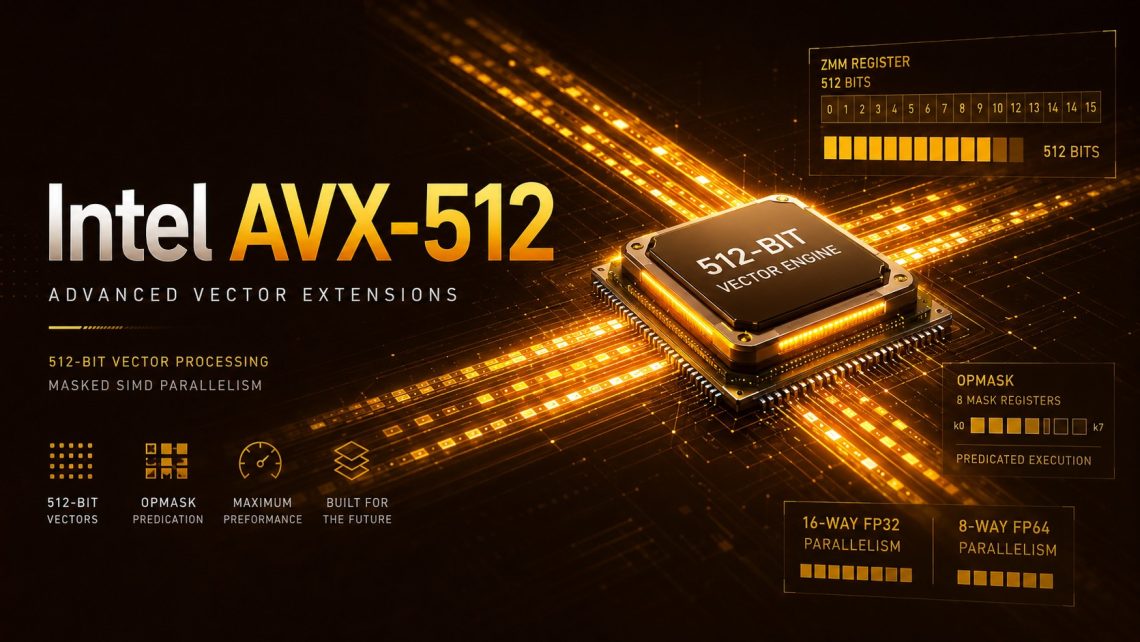
Intel AVX-512 enhances SIMD capabilities by extending AVX2's 256-bit model to 512-bit registers, introducing dedicated mask registers for conditional operations, and offering more vector registers. It's particularly beneficial for scientific computing, AI, and cryptography. However, its availability is limited compared to AVX2, and performance may vary by processor.
-
-
.NET 6 added a long-missing collection to the base class library: PriorityQueue<TElement, TPriority>. A priority queue is useful when you do not want to process items in the order they were inserted, but in the order of their priority. Typical examples include job scheduling, pathfinding, graph algorithms, simulations, message processing,…
-
SortedSet in .NET manages ordered, unique elements using a custom comparer that defines both sorting order and element uniqueness. A common pitfall occurs when two different instances with the same value are treated as duplicates. To avoid this, a tie-breaker is needed, ensuring both order and distinctness among elements.
-
Home security cameras have become increasingly popular in recent years, with many homeowners opting to install cameras to keep their homes and families safe. One of the benefits of these cameras is that they can capture footage of potential intruders or other suspicious activity around the home. In this blog…
-
Intel AVX2 is one of the most important SIMD extensions in the x86 instruction set. While the original AVX instruction set introduced 256-bit YMM registers and wider floating-point vector operations, AVX2 extended that model to integer SIMD and made 256-bit vector programming much more broadly useful. AVX2 arrived with Intel’s…
-
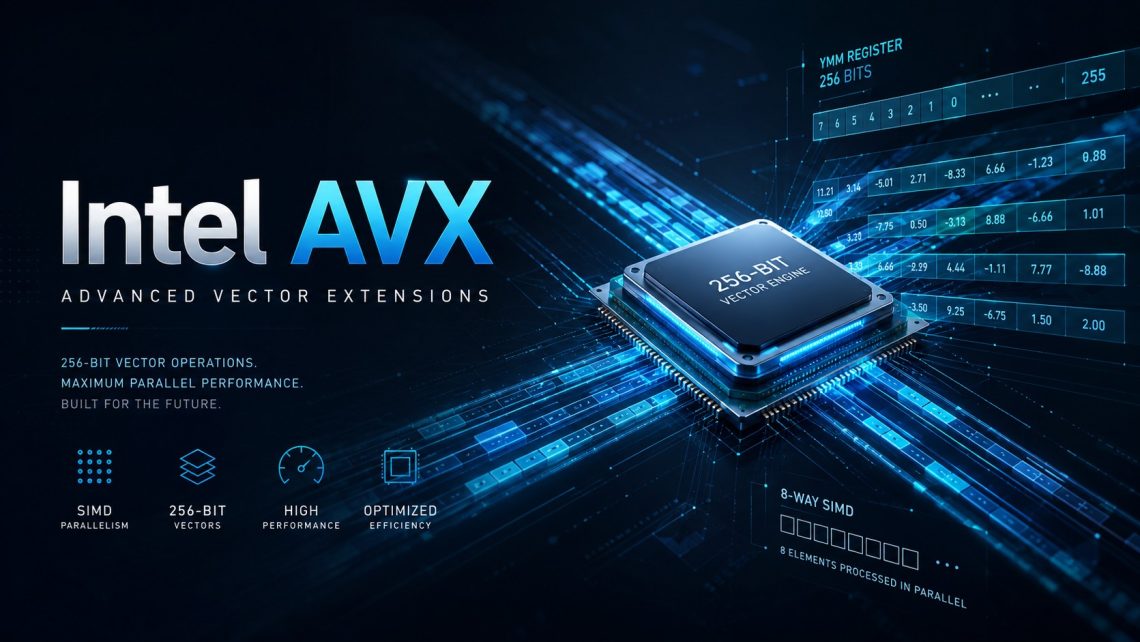
Intel AVX, short for Advanced Vector Extensions, marked one of the most important transitions in the history of x86 SIMD programming. It extended the 128-bit SSE model to 256-bit vector registers, introduced a cleaner instruction encoding, and made SIMD code easier for compilers and developers to optimize. AVX was first…
-
SSE4.2 is the second part of Intel’s SSE4 family. Compared with SSE4.1, it is much smaller and more specialized. SSE4.1 added a broad set of practical SIMD improvements: blends, dot products, rounding, integer min/max operations, widening conversions, insertion and extraction, and several multimedia helpers. SSE4.2 did not continue in that…
-
SSE4.1 is one of the most useful refinement steps in the SSE family. It did not introduce wider vectors, new XMM registers, or the newer AVX encoding model. Instead, it filled many gaps that made SSE2, SSE3, and SSSE3 code awkward. Where SSE3 mostly improved floating-point horizontal operations, and SSSE3…
-
SSSE3 is one of the most useful but most poorly named SIMD extensions in the x86 family. The name stands for Supplemental Streaming SIMD Extensions 3, and the extra “S” is important. SSSE3 is not the same thing as SSE3. It is a later extension, with a very different focus.…
-
SSE3 is one of the easiest SIMD instruction sets to misunderstand. Compared with MMX, SSE, and SSE2, it did not introduce a new vector register file, it did not widen vectors beyond 128 bits, and it did not radically change the programming model. Instead, SSE3 added a small set of…