AltaLux 3.0 brings optional AI object selection to IrfanView, reduces colored noise in lifted shadows, and adds a smoother, zoomable preview. Object selection runs locally on your CPU.
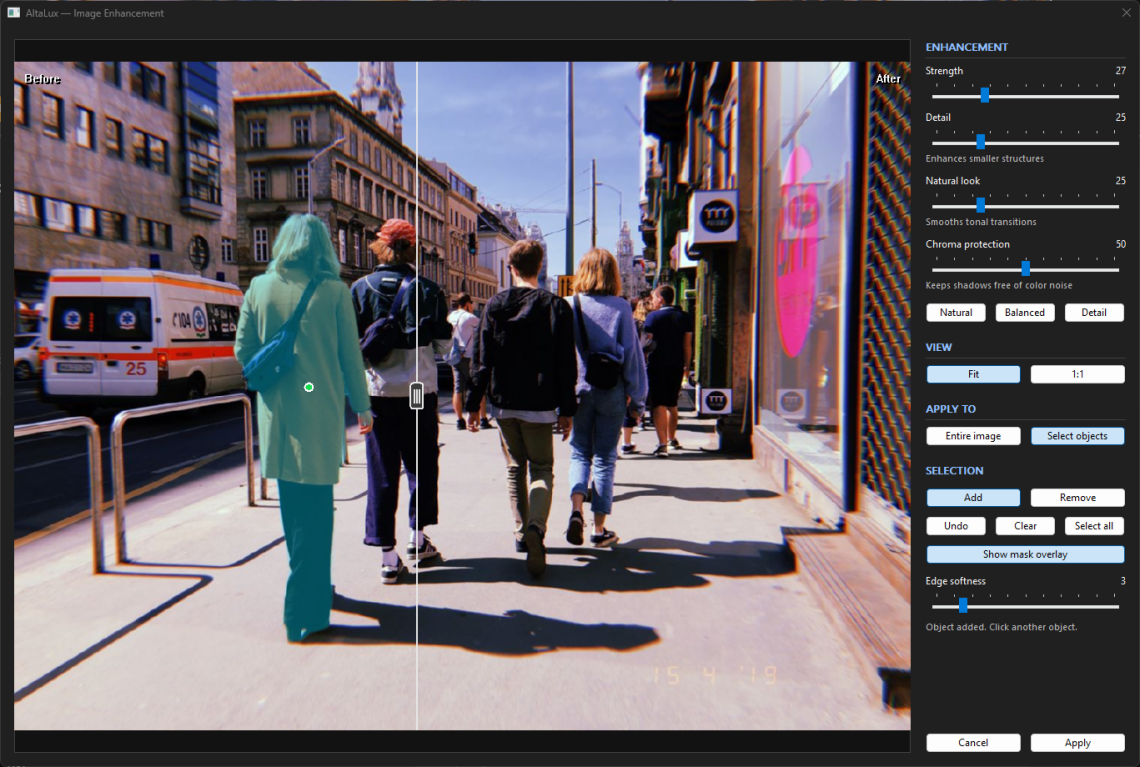

AltaLux 3.0 brings optional AI object selection to IrfanView, reduces colored noise in lifted shadows, and adds a smoother, zoomable preview. Object selection runs locally on your CPU.
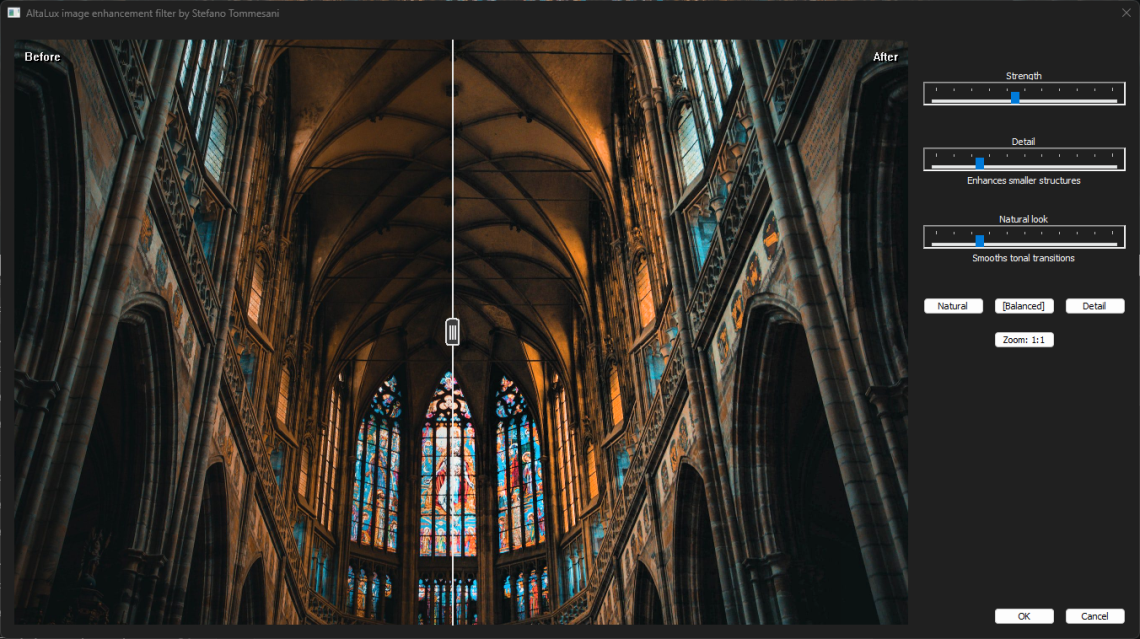
The AltaLux V2 plugin enhances image processing through a multi-layered approach using CLAHE, improving local contrast but requiring more computation. Optimization focused on kernel vectorization using SIMD, with benchmarks guiding performance. The process revealed limitations of SIMD in certain operations and transitioned from SSE2 to SSSE3 for efficiency, ensuring an…
AltaLux 2.0 replaces the old Intensity/Scale workflow with a three-layer multiscale enhancement engine, a large before/after preview, and controls that describe the look users actually want: Strength, Detail, and Natural look.

Version 1.9.1.92 represents the most significant update to AltaLux since its initial release. This version brings critical bug fixes, substantial performance improvements, comprehensive documentation, and enhanced user experience. Critical Bug Fix: Color Preservation The Problem Previous versions used an incorrect algorithm for preserving color when applying luminance enhancements. The old…
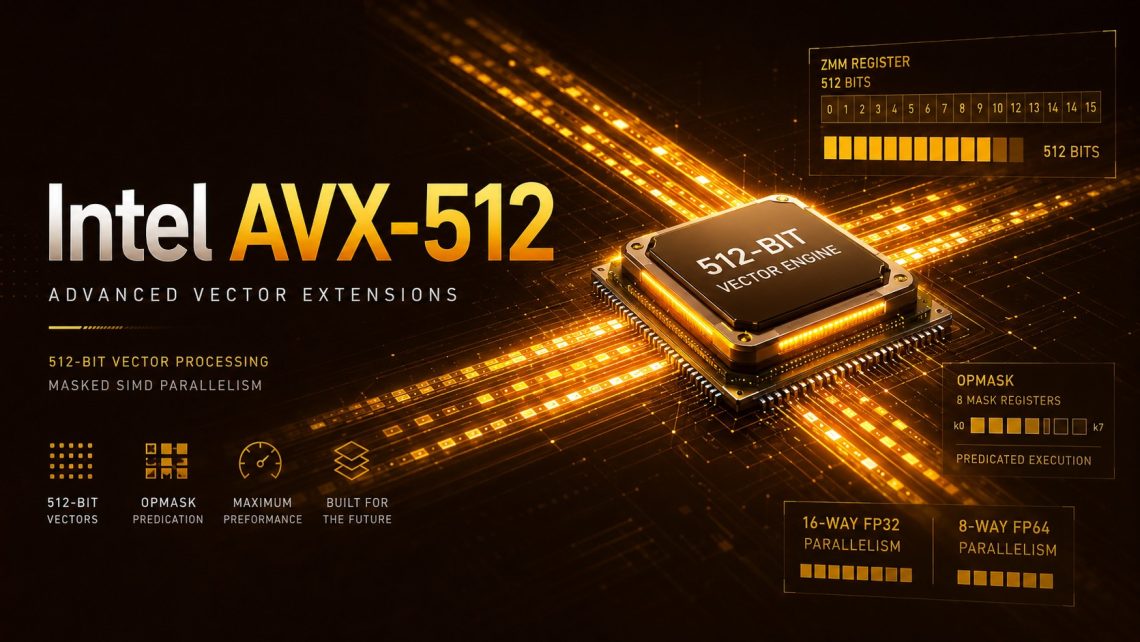
Intel AVX-512 enhances SIMD capabilities by extending AVX2's 256-bit model to 512-bit registers, introducing dedicated mask registers for conditional operations, and offering more vector registers. It's particularly beneficial for scientific computing, AI, and cryptography. However, its availability is limited compared to AVX2, and performance may vary by processor.
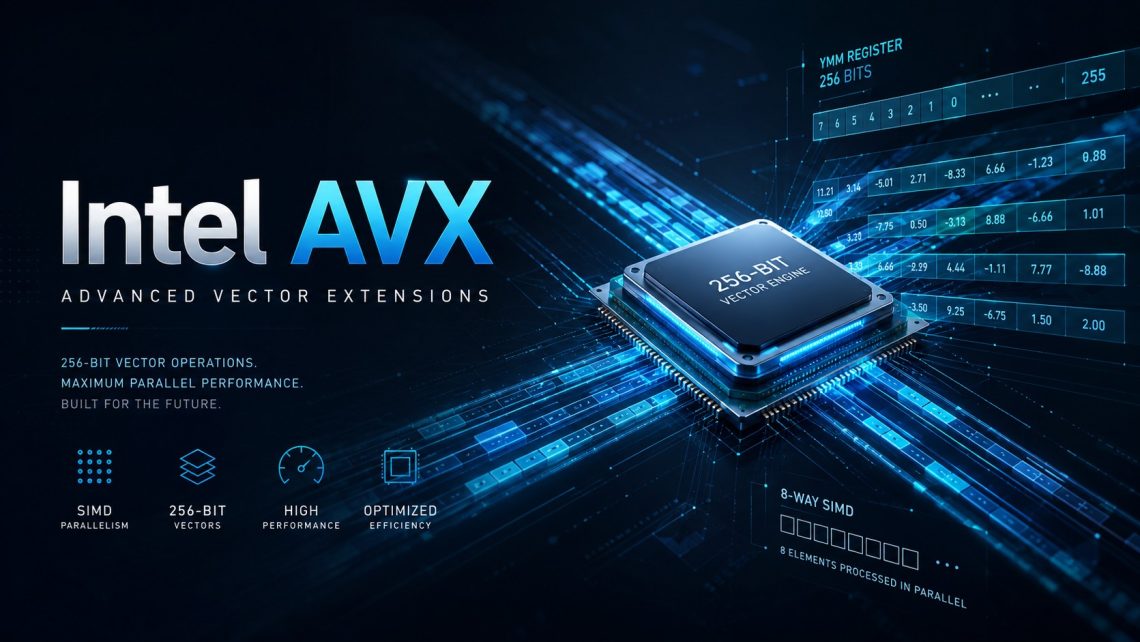
Intel AVX2 is one of the most important SIMD extensions in the x86 instruction set. While the original AVX instruction set introduced 256-bit YMM registers and wider floating-point vector operations, AVX2 extended that model to integer SIMD and made 256-bit vector programming much more broadly useful. AVX2 arrived with Intel’s…
Intel AVX, short for Advanced Vector Extensions, marked one of the most important transitions in the history of x86 SIMD programming. It extended the 128-bit SSE model to 256-bit vector registers, introduced a cleaner instruction encoding, and made SIMD code easier for compilers and developers to optimize. AVX was first…

SSE4.2 is the second part of Intel’s SSE4 family. Compared with SSE4.1, it is much smaller and more specialized. SSE4.1 added a broad set of practical SIMD improvements: blends, dot products, rounding, integer min/max operations, widening conversions, insertion and extraction, and several multimedia helpers. SSE4.2 did not continue in that…
SSE4.1 is one of the most useful refinement steps in the SSE family. It did not introduce wider vectors, new XMM registers, or the newer AVX encoding model. Instead, it filled many gaps that made SSE2, SSE3, and SSSE3 code awkward. Where SSE3 mostly improved floating-point horizontal operations, and SSSE3…
SSSE3 is one of the most useful but most poorly named SIMD extensions in the x86 family. The name stands for Supplemental Streaming SIMD Extensions 3, and the extra “S” is important. SSSE3 is not the same thing as SSE3. It is a later extension, with a very different focus.…